#179) My WWF 50th Anniversary Talk: “Dude Where’s My Climate Movement?”
December 13th, 2011
Last month the World Wildlife Fund celebrated their 50th anniversary and were nice enough to let me crash the festivities with this talk. My basic message is that the climate movement has done an impressive job with the CEREBRAL part of communication. Now they need to shore up the VISCERAL side.
space
space
Filmed at National Geographic’s headquarters — they did a really nice job.
talk
I AM PRO-VISCERAL
The overall message of this talk is relatively simple. The American climate movement has done an impressive job with the cerebral side of communication, producing mountains of polling data, values models, mental models, classification and description of climate skeptics — all sorts of METRICS. But that’s only half of the communication picture — the cerebral/informational half.
As I say in this talk, there’s the other half — the more visceral component — the more experiential stuff. The divide is as simple as the difference between buying a book on acting versus taking an acting class where you actually have to act.
So I thought I was going to be the big rabble rouser of the day with my talk, but little did I know how blunt and incisive Martin Palmer’s talk would be. Which was nice. My message was mild by comparison. His talk (see video below) is truly amazing. I had heard a podcast from him in 2009 for which I sent him a fan email raving about how great it was. But I had totally forgotten about him until he began his talk and I started hearing some of the same things from that podcast, causing me to sit up and look around like, “wait a minute, this is that awesome guy!”
The talks might have benefited for the web by being only 10 minutes, plus I say “um” an awful lot (terrible to have to watch yourself giving a talk), but the talk presents pretty much the main things I have to say these days. Something has to change with climate communication. They have to realize they’re only addressing half of what communication is about. As a friend said to me last weekend, it doesn’t work to just buy a video about surfing. If you want to surf, you have to get out there and DO IT!
viddy
space
I’m ready to start the Martin Palmer Fan Club based on this talk. His organization clearly understands major parts of human nature that the climate movement doesn’t.
#178) THE S FACTOR: Time for our AGU Panel
December 5th, 2011
Hollywood has a lot to offer the science world, but you gotta respect the cultural divide.
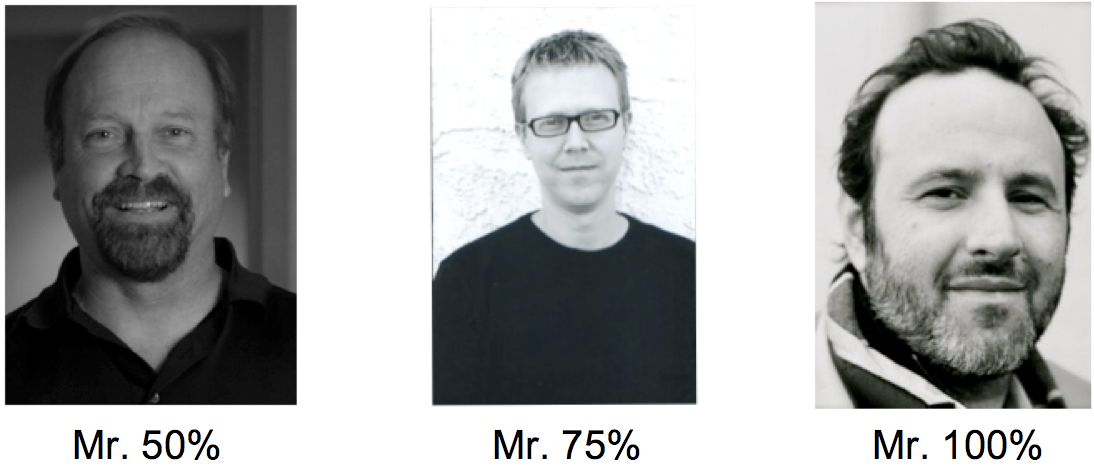
THE S FACTOR PANEL AT AGU: All three of us were in the same film school class at U.S.C. starting in January, 1994. Previous to film school I was a tenured professor of marine biology, leaving me with a brain that is still 50% scientist. Sean Hood did an undergraduate degree in physics at Yale University giving him a brain that is today 75% Hollywood, yet still 25% scientist. And Jason Ensler? Ain’t no science bones in his body. He brings the 100% pure voice of Hollywood to the mix. Out of this combination we will provide a bridge from the way scientists approach communication to the way Hollywood approaches communication. This is how you effectively connect the two worlds.
yo mang
SPEAKING EBO TO THE GREEKS
In my 20 years of living in and around Hollywood I have attended numerous events in which the organizers have this great idea of, “let’s put a group of great scientists together with a group of great filmmakers and let them cross pollinate!”
Guess what happens most of the time. They might as well say, “Let’s put a group of people who speak only the Ebo language of Nigeria together with a group of people who speak only Greek and let them cross pollinate.” (the Ebo reference is of course a nod to my best friend and Sizzle co-star Ifeanyi Njoku).
In the end, the Ebo speakers will gather on one side of the room and speak amongst themselves as the Greek speakers gather on the other side to speak amongst themselves. I’ve seen it over and over again. Scientists and filmmakers do not match. They not only speak two different languages, but they think very differently when it comes to communication. I talked about this a lot in my book.
Scientists are “story-averse.” They have a sort of story-phobia — the fear that “if I start worrying about telling a good story, I’ll stop worrying about keeping things accurate.” Which is a valid concern, but the fact is you can tell great stories without having to alter any information whatsoever. Journalists do it every day. You just need guidance in how to organize the information in a manner that will grab the interest of the broader audience, and that is exactly what we will be doing in this workshop Tuesday evening at the AGU.
bro
WE WILL, WE WILL … CROSS POLLINATE YOU
I spoke yesterday with Sean Hood about the workshop. He’s viewed the ten selected videos twice and has a bunch of the same thoughts and comments I have — starting with being pleasantly surprised with the quality. The videos are good. And yet … they don’t do a particularly good job of storytelling, so there’s plenty to work with.
We’ve got lots of specifics to offer up — one video has spectacular footage buried in the middle of it instead of putting it at the start to grab the viewer’s attention, another desperately needs music scoring, several need to not open by introducing the on-camera host (and maybe not even have an on-camera host), pretty much all of them need to give more thought to posing an initial question, most of them need better visual elements, and all of them need to give more thought to how you grab, hold, and satisfy the attention of viewers.
Lots to work with. It’s going to be a great session. Bring all your friends, it’s open to the public. Look forward to seeing you there!
#177) THE UGLY TRUTH: You Can’t Communicate Poorly about the Need to Communicate Well
December 2nd, 2011
If you’re going to tell the world how to communicate, you have to communicate it well.

Would you take advice on how to dress for success from this guy?
nope
SEE YOUR FUTURE, BE YOUR FUTURE
You’d think this would be a piece of common sense. But it’s not. I don’t want to mention any names because all the guilty parties are so well intended, but I’m subjected to this over and over again. It’s happened AT LEAST five times I can think of. People get in touch with me about making a video about how to communicate science well, but when I start asking questions about how much budget they have, how good of a crew, what are their plans for sound design, do they have a good gaffer who knows how to light well — all sorts of reasonable and necessary questions for good communication, I usually get an answer of, “nah, we just got a friend who has a handi-cam we’re gonna shoot it on.”
You can’t do that. You can’t make a video telling an audience about how messages need to be communicated well only to have the video turn out so poorly lit with such crappy audio that the viewer can hardly understand it.
Does everyone understand this simple problem? Did I just start talking Portuguese up here? Does anybody remember H. Ross Perot?
Let’s repeat this all together … FILM AND VIDEO … ARE … VISUAL MEDIA. Say it a few more times to yourselves. A “well communicated” video consists of plenty of visual material that clearly conveys a certain amount of information coherently. Looking at the face of a human being (i.e. the standard “talking head”) says only one thing visually — “face.” That’s it. If you want to make a video about fish, you need to have images of fish. If you want to make a video about bridges, you need to have images of bridges. But here’s the hard part …
yup
TED TALKS VS. BLOGGING HEADS
If you want to make a video about something that is exciting, the video itself needs to be exciting. You can’t have some lackluster person staring at you saying listlessly, “It’s important to make exciting presentations.” That does not work.
Similarly, if you want to lecture people on the need to communicate effectively, it does not work to do it in a video that most people want to shut off after 30 seconds. It doesn’t. Sorry. It’s a conundrum. I’ve railed about this before with the stoopid Bloggingheads concept that usually presents two horribly lit old men blabbing about some dull topic. Yes, the transcript of what they say may be fascinating, but do you know what they are saying VISUALLY in such a presentation? “Hi, we’re boring old men who don’t care what we look like because we’re so certain that everything we have to say is priceless.”
Do you have any idea of why TED Talks have become so popular? Do you really think it’s because the content of every presentation is so amazing? Would you watch a TED Talk if it were poorly lit with bad audio shot on a single camera that is so wide the speaker is just a little blip on the screen? TED Talks are exciting and interesting in large part because they are shot in a manner that is exciting and interesting with great lighting, multiple cameras and flawless audio. They are presentations spoken perfectly in the language of presentations.
Yes, we all want to communicate better, but you need something more than good intentions. You need an ability to communicate well to start with. Unfortunately, for film and video production this usually requires money, with the bottom line being that you get what you pay for. And this is a concept that most scientists, who are the ultimate do-it-yourselfers, simply cannot comprehend. (and I know this to be a fact — I was a scientist and was just as bad at it as anyone)
#176) The Old Arrogant Scientists Thing
November 28th, 2011
Time for two examples of largely unintended arrogance from scientists.
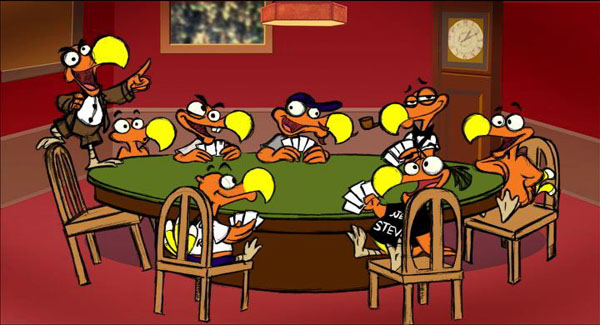
IT’S NOT WHAT YOU’RE SAYING, IT’S HOW YOU’RE SAYING IT. The poker scene in “Flock of Dodos” and the title of an essay illustrate how, whether they mean to or not, scientists can come off as arrogant sometimes.
shame
“WHY ARE THE SCIENTISTS SO ARROGANT?” – Kansas high schooler at “Flock of Dodos” premiere, 2006
In February, 2006 we held the first public screening of “Flock of Dodos,” at a sold out 350 seat theater in the suburbs of Kansas City. One group who showed up that snowy night was a dozen or so high school seniors along with their teacher. I was eager to hear what their response was to the movie. When it was over I heard from a friend who spoke with them. They enjoyed the movie but they found the group of evolutionary biologists at the poker table to be “arrogant.”
That was the word they used. Which hurt a little given that I was one of the scientists in that scene. Had you asked me the day before how I thought the public would perceive the scientists in the poker scene I might have said, “argumentative” or even “eggheadedly foolish,” but I never would have thought of arrogance as the key descriptor. Yet over the years in listening to the feedback it’s very clear most non-scientists view them that way.
And now that I’ve viewed the movie a few hundred times, I do as well. Everyone at the poker table comes off as arrogant, including myself. We are all supremely confident in our pronouncements. Not just in the substance of what we say, but just in the way we say it. I’m not sure any of us intended to be arrogant. There’s an endless tendency of scientists to be a little short on the self-awareness thing.
space
WHY DOES THE CLIMATE ESSAYIST HAVE AN ARROGANT TITLE?
Similarly, and unfortunately, last week it was my turn for Round 2 in the Roundtable Discussion I’m taking part in on the website of The Bulletin of Atomic Scientists with two top climate folks, Roger Pielke, Jr. of University of Colorado and Robert Socolow of Princeton addressing the issue of, “The Political Distortion of Science.” I really liked both of their first round essays — Pielke talking about the importance of fairness and honesty in dealing with controversial science topics, Socolow talking about how science is not just another profession — it is a specific means of inquiry.
So for my second round I was all set to rave about these two essays when I spotted the title of Socolow’s second essay, the second half of which consists of the phrase, “Science as a superior way of knowing.” Suddenly the sweet music of agreement ended with a record scratch as I uttered the words, “oh, my.” It’s a shame because his essay isn’t all that arrogant, but the title is simply unacceptable if you’re concerned about the public perception of science. You can’t tell the public, “we have a SUPERIOR way of knowing.” You just can’t.
Anyhow, I offer up my analysis of his title with my second round essay. And just like those of us at the poker table in Dodos, I don’t think he intended it to be arrogant. It’s just difficult sometimes to put yourself in the position of people who have no connection to the world of Ph.D.’s. They speak a different (more common) language.
BTW – check out this story today of another Kansas high school kid — this one is standing up to the whole wacky school system there — yay!
#175) A New Trailer for “Sizzle: A Global Warming Comedy”
November 22nd, 2011
The movie is going to be shown next month at the COP17 climate meetings in Durban, South Africa so it’s time for a new trailer.
.
THE MOVIE THE SCIENCE AND ENVIRONMENTAL COMMUNITIES DIDN’T WANT YOU TO SEE because the scientist-turned-filmmaker in it is a doofus and the movie is riddled with climate skeptics (oh my!)
DUDE, WHERE’S MY CLIMATE STRATEGY
Sadly, my movie, “Sizzle: A Global Warming Comedy,” is as relevant today as it was in 2008 when it premiered at the Outfest Gay and Lesbian Film Festival on the west coast followed by the Woods Hole Film Festival on the east coast. For a while, in the beginning, it actually was a little bit out of synch given the policy that “An Inconvenient Truth” had established of not engaging with climate skeptics because “there is no debate about global warming.”
Well, that strategy didn’t work. I already knew it wouldn’t in 2007 from what I had seen of the evolution community — evolutionists who had tried to go with the “evolution is a fact” tactic in dealing with anti-evolutionists fared poorly. Reality is irrelevant. All that matters with the public is perception — and for both of these topics (evolution and global warming) the perception is that there’s a major debate raging.
The science community finally kinda got this point in 2009 when they had their posteriors handed to them with ClimateGate. That unfortunate event was the best thing that ever happened to my movie. It left me wanting to say, “See … I told you there really is a debate.”
Since then I’ve had probably 50 screenings of “Sizzle.” No one ever again questioned why I included skeptics in the movie. And last week I gave my big talk at the WWF symposium titled, “Dude, where’s my climate movement?” (which they say will be posted next week) I was braced for someone, anyone, to tear into me saying, “You’re saying the climate movement is a failure, that’s not so.” But that didn’t happen. Instead ALL the comments were along the lines of, “Can you believe how bad we’ve failed?”
One nice thing is that they are showing, “Sizzle,” in Durban, South Africa at the next “Conference of the Parties” (COP 17) which is the on-going series of U.N. sponsored meetings of everyone combatting global warming. Glad they’re showing it. Glad I don’t have to sit in a plane for 40 hours burning up fossil fuels to be there.
#174) And the AGU S Factor Selections are…
November 18th, 2011
We’ve selected the 10 videos we will be analyzing at the AGU S Factor Workshop
Being chosen for this event means absolutely nothing, nothing, nothing. There will be no winners announced, no acceptance speeches, only a lot of discussion of what’s good and what needs work in each video.
panic
See you in San Francisco, Tuesday evening, 7:00 p.m., December 6 at the San Francisco Convention Center!
#173) WATCH THE ROTTEN TOMATOES FLY LIVE!
November 13th, 2011
LIVE WEBCAST: My talk at the WWF 50th Anniversary symposium this Thursday, Nov. 17

“DUDE, WHERE’S MY CLIMATE MOVEMENT?” This is the title and focus of my talk.
dude
This is not going to be a happy talk. Today’s climate movement in the U.S. is a national tragedy. So much money. So little to show. And it’s not just me saying this. A month ago Elisabeth Rosenthal had a feature article in the Sunday NY Times titled, “Where Did Global Warming Go?”
People have begun itemizing the hundreds of millions of dollars that have been spent for a movement with declining popularity, no legislation passed, and no clear leadership. All of which leads to my title, “Dude, Where’s My Climate Movement?” which I know a lot of hard working people aren’t going to appreciate. But I work hard, too. So there.
Tune in on Thursday for the webcast of the entire day. My talk is in the afternoon, followed by a panel discussion with the three of us in our session. Here’s the link, which already has bars and tone, so you know they’re ready and waiting.
#172) Circle the White House, Make Yourself Heard!
November 11th, 2011
What would you do if 10,000 people circled your house? Obama clearly heard their message.
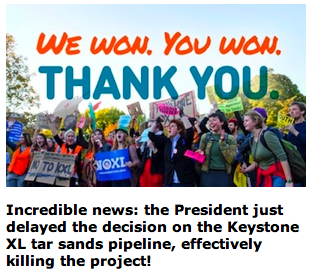 Four days after the big Tar Sands Pipeline protest, the State Department announced they will look for a different route for the pipeline through the U.S. — postponing the issue until after 2012. Who says protests don’t work?
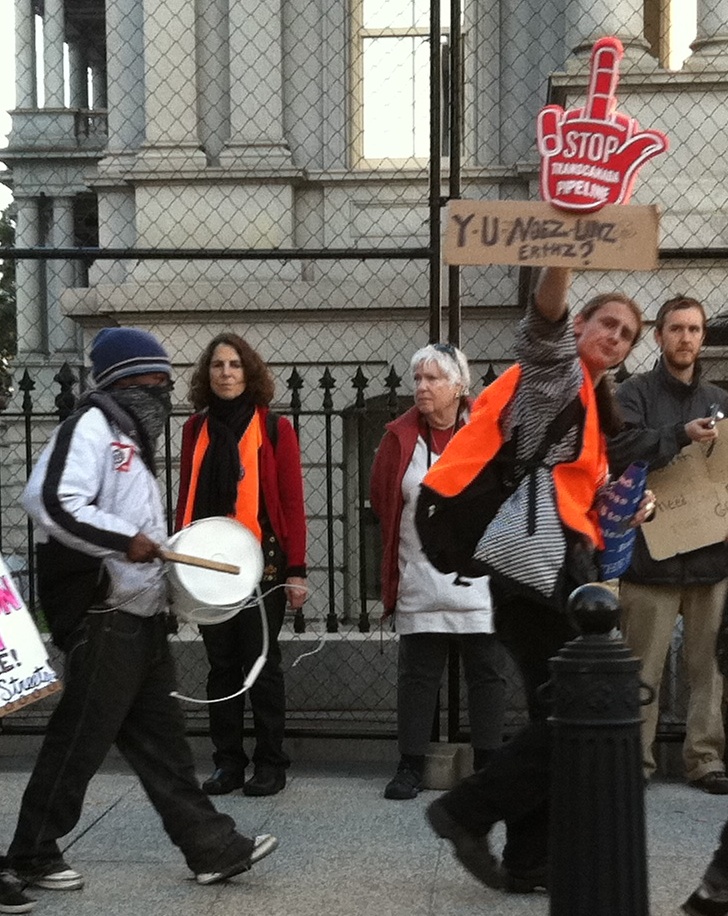
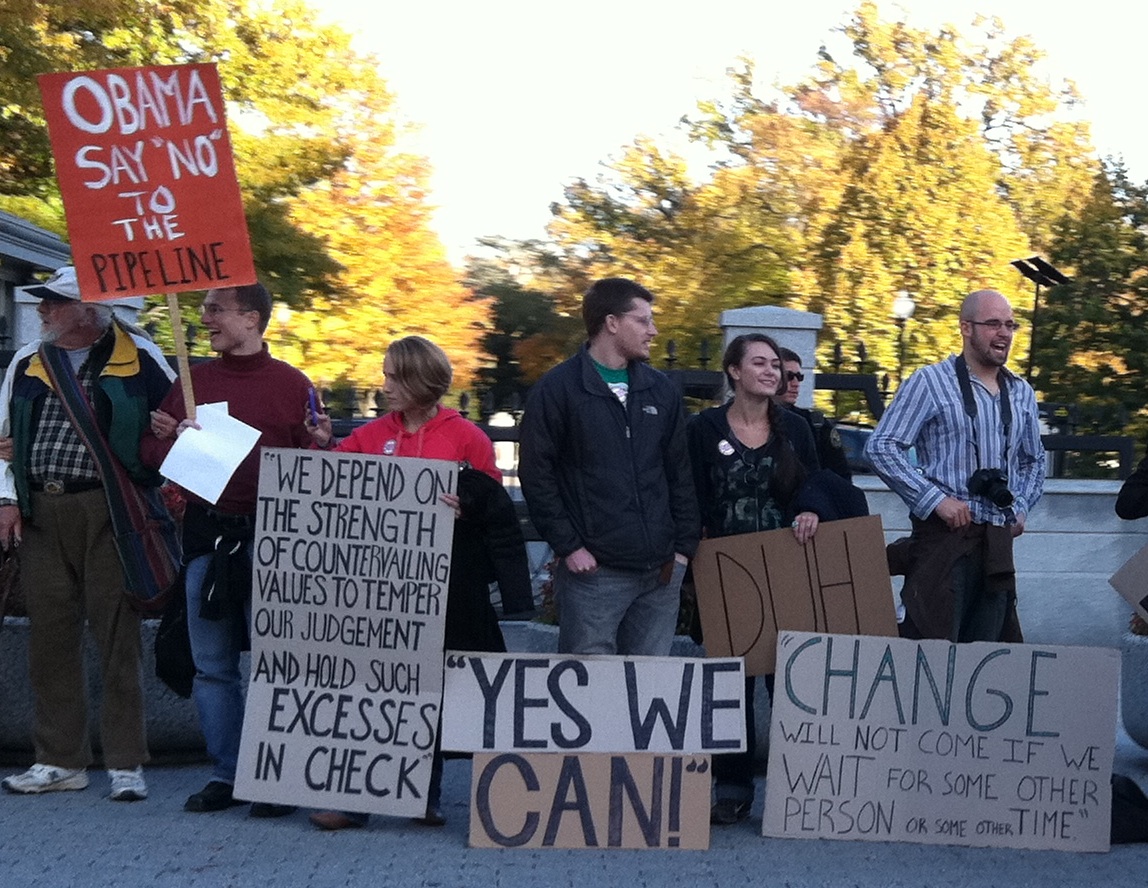
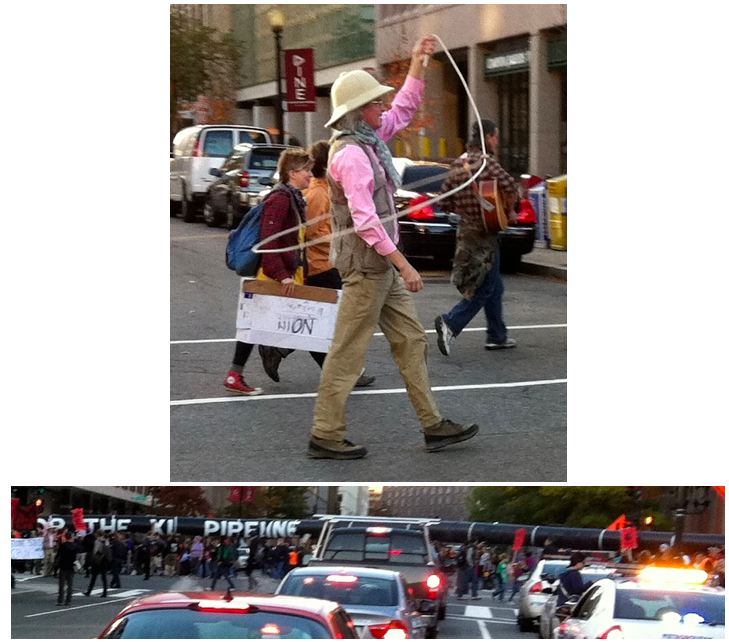
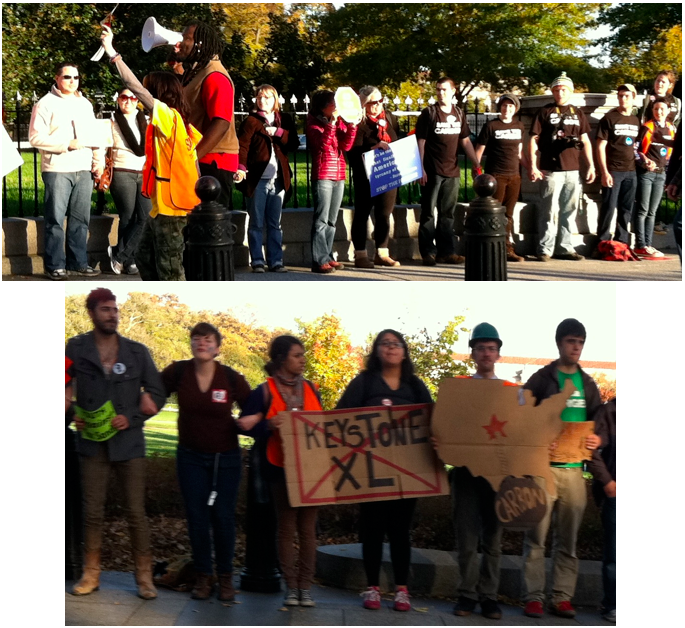
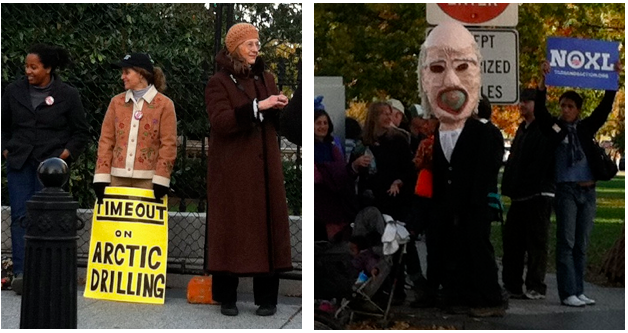
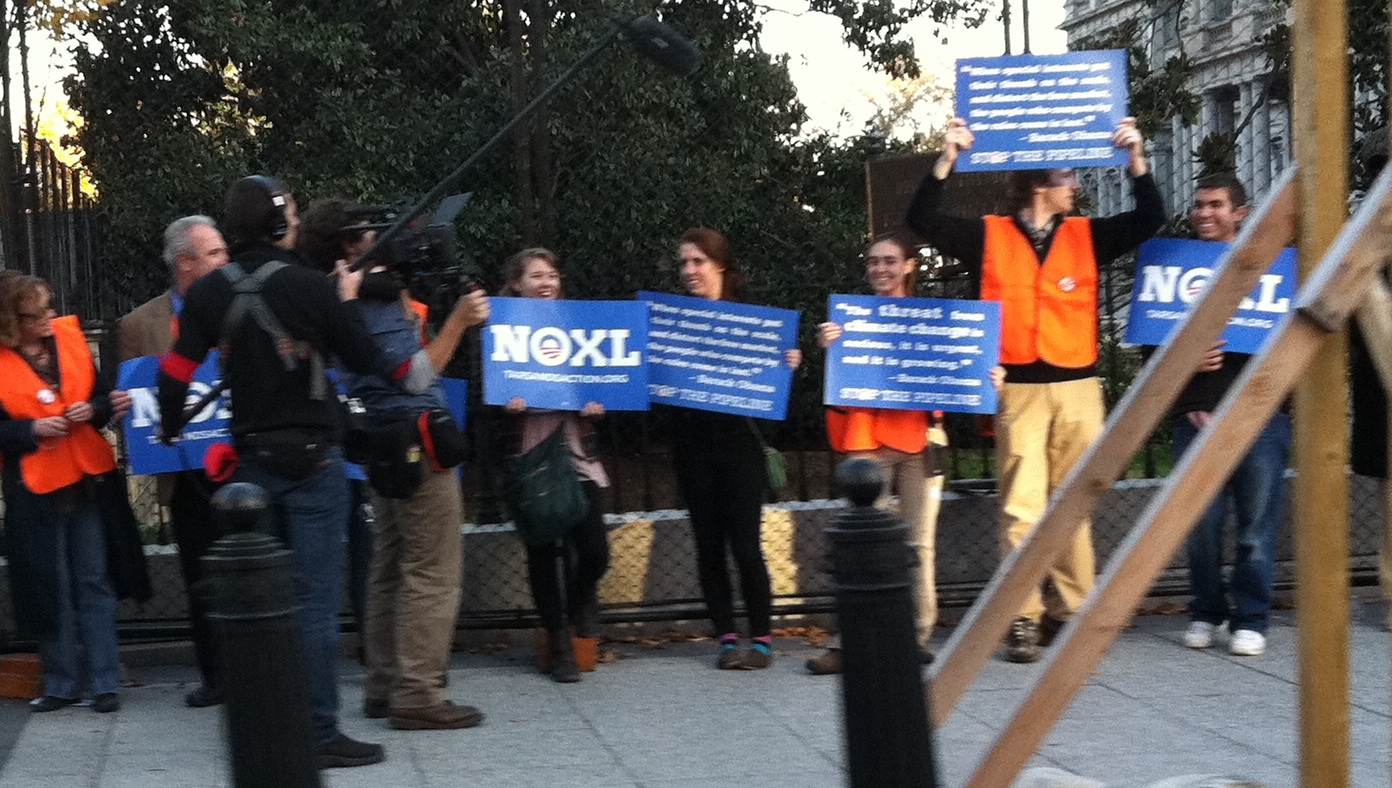
#171) The Tar Sands/Pipeline Protest in D.C. was AWESOME!
November 8th, 2011
Thank goodness for the revival of public protesting


#170) This is why the climate world needs Joe Romm
November 4th, 2011
Communication is about substance AND style. Here’s yet another TV debate with Marc Morano. This time his opponent is so soft and friendly that you can’t help but think none of these issues are very important any more. Which I don’t think is quite true given yesterday’s grim news on carbon emissions.
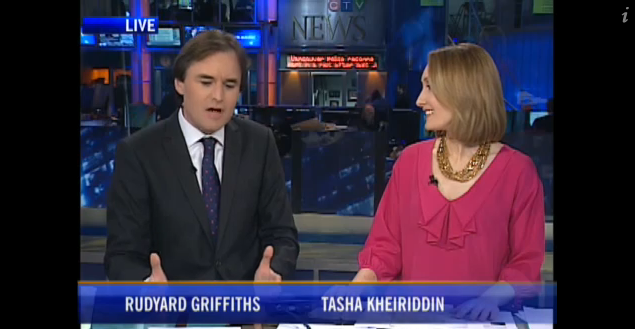
YOU EGG-FACED SCIENTISTS. Marc Morano provides his litany of examples of “global warming distortion” (ways he feels the science and environmental communities have misled the public) underscoring it with an, “Everything from …” itemization. Which is fine — it’s what he does. But when his opponent just gives a polite smile (that even the commentator noted) and nothing more than a limp prediction of “what could happen” it sends a signal to the viewer that Morano is maybe right, and more importantly, it isn’t that big of a deal. This is where style matters. Television is a superficial/visual medium. If you violently disagree with what you’re hearing, you kinda need to do something that somehow sends the signal of violent disagreement, albeit in a likeable manner, which can actually be done while still smiling. It just needs different casting — someone who can send the correct emotional, as well as intellectual, signal. There’s a reason why you wouldn’t want to have a robot be your spokesperson in a debate.
bro
WHAT WOULD JOE DO
The subtitle of my book is “Talking Substance in an Age of STYLE.” That last word is the hard part. It’s difficult dealing with BOTH channels of communication (substance AND style).
This was sort of my entry point in 2005 when I was first drawn into the topic of the attacks on evolution. Scientist friends of mine told me about evolution debates they were taking part in where they would lay out all the facts of evolution (the SUBSTANCE) only to find the audience siding with their opponent simply because they liked the opponent more, saying things like, “he was friendlier, less know-it-all, more polite, funnier.” These are all elements of STYLE and they bring with them information that can be just as powerful as the facts being presented.
So when you put up a warm, friendly, easy going guy like Dr. Robert Mendelsohn of the Yale School of Forestry and Environmental Studies, you’re kind of over-compensating. Yes, he’s far more likeable than the typical angry scientist and likely to at least score better than British scientist Robert Watson (who ended his debate with Morano by saying, “What an asshole!”), but now the problem is that the signal coming out says that this stuff just isn’t that big of a deal — if it was you’d see him getting a little more worked up.
Yes, I know you hate watching people get enraged on news shows. But most (less intellectual) people not only like it, they need it for them to get a clear signal of what’s going on. They can’t process all the words being said. They need an additional emotional element that tells them this guy disagrees with that guy. And this is where Joe Romm comes in. Say what you want about the guy, one thing is certain — he sends a very clear, monumentally consistent signal about the seriousness of global warming (which is why his blog is so popular). He might not win a TV debate on likeability (nor would I, some of us don’t look like Brad Pitt), but he definitely would not let an audience walk away thinking, “I guess what Morano’s saying is mostly right.” Definitely not.
Al Gore’s movie was subtitled, “The Most Terrifying Movie You Will Ever See.” Is that still the situation? Mendelsohn seemed to say that it is when he talked about a “freight train.” And this week there are reports of, “The biggest jump EVER in global warming gases.” Sounds to me like the people in the know still think it is that serious.
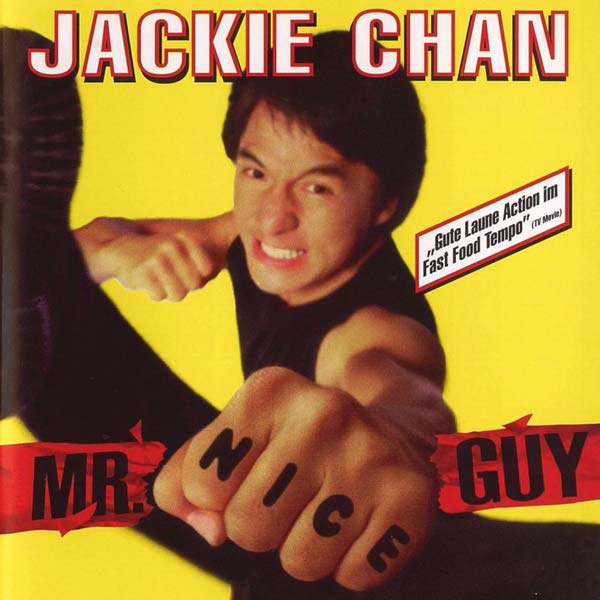
So if it is, then it simply has to be communicated firmly through BOTH channels. Which means, hate to say it, no more Mr. Nice Guy.